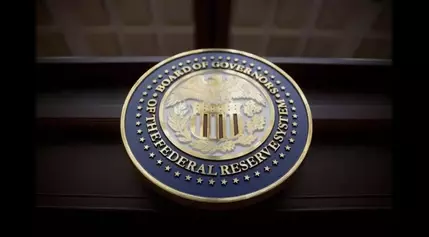
Financial regulators request comment on data standards plan
2025-10-21
12.1K
363
112
Streamlining Financial Regulatory Data: A Collaborative Approach
The Federal Reserve Board has joined forces with eight other agencies to establish data standards for information collected and submitted to financial regulators. This joint rulemaking aims to promote the interoperability of financial regulatory data, as mandated by the Financial Data Transparency Act of 2022. The proposed standards will enable more efficient data sharing and analysis, ultimately strengthening the oversight and stability of the financial system.
Unlocking the Power of Standardized Data
Enhancing Regulatory Collaboration
The Financial Data Transparency Act of 2022 has set the stage for a collaborative approach to data standards across federal financial agencies. By working together, the Federal Reserve Board, the Federal Deposit Insurance Corporation, the Office of the Comptroller of the Currency, the Consumer Financial Protection Bureau, the Treasury Department, the Commodity Futures Trading Commission, the Federal Housing Finance Agency, the National Credit Union Administration, and the Securities and Exchange Commission will develop joint data standards for the collection of certain financial information. This coordinated effort will ensure consistency and interoperability, allowing for more seamless data sharing and analysis among the agencies.The agencies are required to consult with each other and other relevant departments and agencies during the development of these data standards. This collaborative process will leverage the expertise and insights of various stakeholders, ensuring that the final standards are comprehensive and adaptable to the evolving financial landscape.
Embracing Established Practices and Emerging Trends
The proposed rulemaking acknowledges the rich and rapidly evolving field of data standards, data transmission, schemas, and taxonomies. The agencies recognize the value of well-established practices in this domain, as well as the need to adapt to emerging trends and proposals. By striking a balance between leveraging existing standards and incorporating new developments, the agencies aim to create a robust and future-proof data framework.The flexibility built into the rulemaking allows each agency to tailor the data standards to their specific needs and requirements. This customization ensures that the standards can be effectively implemented across the diverse regulatory landscape, while still maintaining the overall interoperability and consistency.
Minimizing Disruption and Reducing Burden
The Financial Data Transparency Act emphasizes the importance of minimizing disruptive changes, particularly for smaller entities affected by the regulations. The agencies are required to seek ways to reduce any unjustified burden on these smaller entities during the implementation of the data standards.Furthermore, the regulators have the option to adopt additional data standards beyond the jointly issued standards, providing them with the necessary agility to adapt to evolving industry needs and technological advancements. This approach ensures that the data standards remain relevant and effective, without compromising the core principles of interoperability and consistency.
Inviting Public Feedback
The proposed rulemaking is now open for public comment, with a 60-day period for stakeholders to provide their input. This transparent and inclusive process allows for the incorporation of diverse perspectives, ensuring that the final data standards are well-informed and responsive to the needs of the financial industry and the broader public.The agencies' commitment to collaboration, adaptability, and stakeholder engagement in this rulemaking process underscores their dedication to creating a robust and efficient financial regulatory data framework. By leveraging the power of standardized data, the financial system can enhance its resilience, transparency, and overall effectiveness in serving the needs of consumers and the economy.