Judge Sets Sentencing Date for Trump in Hush Money Case, Court Unlikely to Impose Jail Time
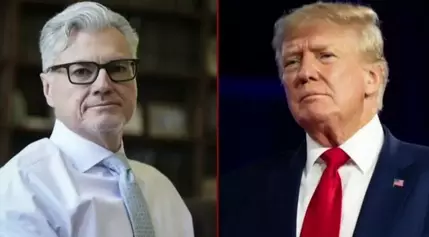
On January 3, 2025, a significant development occurred in the legal proceedings against President-elect Donald Trump. Judge Juan Merchan set a date for the sentencing related to the hush money case but indicated that incarceration is not likely to be part of the sentence. The court's decision reflects a nuanced approach to the case, balancing legal requirements with broader considerations.
Detailed Coverage of the Legal Proceedings Against President-elect Trump
In a courtroom filled with anticipation, Judge Juan Merchan delivered a pivotal ruling on January 3, 2025. The judge denied President-elect Trump’s motion to dismiss the hush money case against him and scheduled a sentencing appearance for January 10. Notably, Merchan expressed the court's inclination to avoid imposing any jail time during this critical hearing. This decision has sparked widespread discussion about the implications for both the legal system and the presidency.
The hush money case, which has garnered extensive media attention, revolves around payments made during the 2016 election campaign. While the specifics of the case have been widely debated, the court's reluctance to impose incarceration signals a cautious judicial stance. The upcoming sentencing will undoubtedly be closely watched by legal experts, political observers, and the public alike.
As the legal process unfolds, the focus remains on ensuring justice while considering the broader context of the presidency. The court's approach highlights the delicate balance between upholding the law and addressing the unique circumstances surrounding high-profile cases involving national leaders.
From a journalistic perspective, this case underscores the importance of impartiality and fairness in the judicial system. It also raises questions about the impact of such legal challenges on the functioning of the executive branch. As the nation awaits the outcome, it is clear that this case will leave a lasting imprint on both legal and political landscapes.