The Resounding Impact of the Voice Actor Strike on the Gaming Industry
The ongoing strike by video game voice actors in the SAG-AFTRA union has been making waves in the industry, with the recent release of a major update for the hit game Genshin Impact serving as a prime example of its far-reaching consequences. As the strike continues to disrupt the production of voice-heavy games, the industry is grappling with the immense value that quality voice acting brings to the gaming experience and the potential implications of the dispute over the use of AI in this field.
Uncovering the Ripple Effects of the Voice Actor Strike
The Genshin Impact Conundrum: A Harbinger of Things to Come
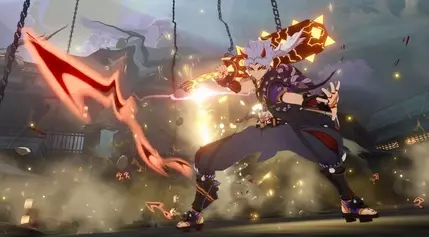
The recent update to the immensely popular Genshin Impact has provided a glimpse into the challenges faced by game developers during the ongoing voice actor strike. The update, which introduced several hours of new main storyline quests, was notably missing English-voiced dialogue for two of the central characters in the current narrative arc. This marked the first significant impact of the strike on a major shipping title, highlighting the difficulties that live-service games with a heavy emphasis on storytelling and voice acting must navigate.Genshin Impact, with its reliance on a constant stream of new content and voiced dialogue, is particularly vulnerable to the disruptions caused by the strike. Unlike more monolithic titles, the game's development timeline and the specific actors it utilizes leave little room for flexibility. As players have grown accustomed to the distinct voices of their favorite characters, any sudden changes or missing dialogue can be jarring and noticeable, as evidenced by past instances where recasting has been unavoidable.
The Undeniable Value of Voice Acting in Gaming
The value that quality voice acting brings to the gaming experience is undeniable. The transition from predominantly text-based dialogue to fully voiced performances has been a transformative moment for both creators and players. Players have developed deep connections with voice actors and their portrayals of iconic characters, making any changes or inconsistencies in voice acting a source of controversy and criticism.Beyond the emotional impact, voice acting also plays a crucial role in immersing players in the game's world and enhancing the overall narrative experience. Poor or rushed voice work can be jarring and disrupt the player's suspension of disbelief, while well-executed performances can elevate the storytelling and bring characters to life in a way that resonates with the audience.
The Looming Threat of AI and the Implications for Creative Talent
The ongoing dispute over the use of AI in voice acting is at the heart of the current strike, and the precedent set here will have far-reaching consequences for the entire gaming industry. While the ability to create "deep fake" voices that mimic the original actor's voice may seem enticing, the reality is that AI cannot replicate the nuanced, creative performances that human actors bring to the table.The potential for studios to replace background and ancillary voice work with AI-generated content poses a significant threat to the sustainability of voice acting as a career. This would not only undermine the pipeline that allows less experienced actors to hone their craft and progress to more prominent roles, but it would also diminish the overall quality and authenticity of the gaming experience.
The Moral Imperative: Protecting the Ownership of Creative Assets
At the heart of the dispute lies a fundamental moral issue – the right of voice actors to retain control and ownership of their most valuable asset, their voice. Attempts by studios to strip away this ownership and incorporate boilerplate language in contracts that would allow the use of AI-generated facsimiles of their performances is a deeply concerning trend.This issue extends beyond just voice actors, as it sets a precedent that could potentially be applied to other creative professionals in the gaming industry. If the notion of AI-generated content being "good enough" takes hold, the consequences could be devastating, leading to a loss of jobs, creativity, originality, and the overall quality of the gaming medium.The fear is that many of the decision-makers in the industry may not fully understand the nuances of creative work and the value that human talent brings to the table. If this lack of understanding allows the proliferation of AI-driven solutions as a cost-cutting measure, the long-term impact on the industry could be immeasurable.