How India's Admiration for Chubby Kids Spawns an Obesity Epidemic
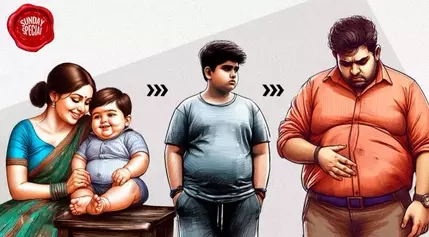
Unraveling the Hidden Dangers of Childhood Obesity in India
Early Signs and Diagnosis
Obesity often sneaks up on children, as was the case with Dinesh. His parents' initial misperception of his weight as normal highlights the importance of being vigilant. Many children like Dinesh may not show obvious signs of being overweight, making it crucial for parents and healthcare providers to be aware of the subtle indicators. In addition to Dinesh's symptoms, a diagnosis of hypertension at such a young age is a wake-up call. It shows that obesity can have serious consequences even in childhood, setting the stage for a lifetime of health problems.
Another example is 13-year-old Kamakshi, who weighed 95 kg and developed PCOS. Her case emphasizes that obesity is not just about being overweight but can lead to specific hormonal conditions. These early signs of obesity-related diseases serve as a reminder that prevention and early intervention are key.
Socio-cultural Factors
In India, the perception of obesity in children has undergone a significant shift. Until the 1980s, children were typically lean, but the 1990s saw a change as chubbiness became a desirable trait. This shift is deeply ingrained in the country's socio-cultural fabric. In a society recovering from poverty and food scarcity, a chubby child was seen as a symbol of prosperity and well-fed affluence. Many parents take pride in their child being overweight, often unaware of the long-term health risks.
Psychologist Nikita Benjamin explains, "In Indian culture, being thin has historically been linked to poverty, a classist stereotype that associates a lack of weight with inadequate food." This cultural bias puts indirect pressure on parents to ensure their child appears "healthy" by being overweight. Additionally, the availability of snacks, cereals, and chocolates in shopping aisles has contributed to the problem. Relatives often celebrate a chubby child, further reinforcing this unhealthy mindset.
Health Burden and Impact
The health burden of obesity in India is immense. It is a major risk factor for diabetes, and India has the second-highest number of people with diabetes in the world. Obesity is also linked to heart disease, stroke, high blood pressure, and certain cancers. These diseases are seeing a rise in India due to the increasing prevalence of obesity among Indians.
For example, Parth, when he was 14, weighed over 85 kg and developed early-onset diabetes. His parents, both doctors, were unable to prioritize his nutritional needs due to their hectic schedules. Now 17, he overhauled his lifestyle and shed 20 kg, restoring his blood sugar levels to normal. This story shows that with proper awareness and lifestyle changes, it is possible to overcome obesity and its associated health problems.
From Womb to Cradle
A study published in early November 2024 revealed that excessive sugar intake during the first 1,000 days of a baby's life, starting from conception, significantly increases the risk of developing diabetes or hypertension later in adolescence or adulthood. This highlights the importance of maternal health during pregnancy.
If a woman is overweight during pregnancy, there is a high chance that her baby will also be overweight. Dr. Uma Mishra, a gynecologist and obstetrician, emphasizes the need for mothers to manage their weight during pregnancy. "What the mother eats during pregnancy becomes a habit for the child," she says. This shows that obesity can start right from the womb and have a lasting impact on a child's health.
Parents' Role and Millennial Parents' Change
Parents play a crucial role in preventing childhood obesity. However, in many cases, they are unwittingly contributing to the problem by giving in to their children's demands for fast food and sugar cravings. Delhi-based pediatrician Dr. Vibhu Kawatra points out that children no longer listen to their parents, who are often overwhelmed by their own busy lives and become overindulgent.
On the other hand, millennial parents are bringing a much-needed change. Ridhi Suneja, a 30-year-old mother, has been preparing homemade Cerelac for her 10-month-old son since he started eating solids. She avoids baby foods containing sugar and includes natural options like apples, pears, and chikoo in his diet. This shift towards mindful parenting reflects a growing awareness of the importance of early nutrition in combating lifestyle diseases later in life.