FTC Challenges PepsiCo's Retail Practices: A Deep Dive into the Antitrust Allegations
2025-11-14
11.1K
1.1K
334
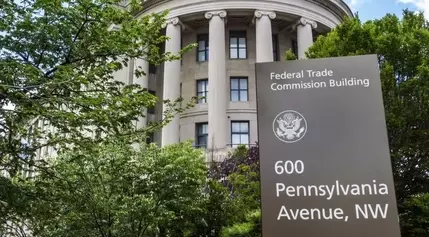
The Federal Trade Commission (FTC) has launched a lawsuit against PepsiCo, accusing the beverage giant of engaging in illegal price discrimination. The complaint centers on allegations that PepsiCo has favored one large retailer over others, leading to inflated prices for consumers and an uneven competitive landscape. This move by the FTC aims to restore fairness in retail practices and protect smaller businesses from being overshadowed by corporate giants.
Ensuring Fair Competition: Protecting Consumers and Small Businesses
PepsiCo's Alleged Favoritism: Unraveling the FTC's Claims
The FTC's lawsuit against PepsiCo highlights a critical issue in modern retail practices. According to the complaint, PepsiCo has been providing preferential treatment to a single unnamed "big box" retailer, offering them exclusive financial incentives and promotional payments. These advantages have allegedly allowed this favored retailer to gain an unfair competitive edge over its peers. The FTC argues that such practices violate the Robinson-Patman Act, which prohibits sellers from engaging in discriminatory pricing.For years, PepsiCo's alleged favoritism has had far-reaching consequences. Smaller retailers, including family-owned neighborhood stores, have struggled to compete with the lower prices offered by the favored big-box store. This imbalance has not only hurt these smaller businesses but also led to higher prices for everyday consumers. The FTC's action seeks to level the playing field and ensure all retailers can compete fairly.
The Impact on Consumers: Higher Prices and Reduced Choice
The ripple effects of PepsiCo's alleged actions extend directly to American households. By granting preferential pricing to a single retailer, PepsiCo has inadvertently contributed to inflated prices for other consumers. When smaller retailers are unable to match the prices of their larger competitors, they often pass on higher costs to shoppers. This situation limits consumer choice and can lead to a monopolistic market where a few dominant players control pricing and availability.Moreover, the FTC's lawsuit underscores the broader implications of such practices on the economy. When large corporations engage in anticompetitive behavior, it stifles innovation and reduces the diversity of products available to consumers. The commission's intervention is crucial in safeguarding the interests of both small businesses and the general public, ensuring a more dynamic and competitive marketplace.
Legal Precedents and Broader Implications
This case marks another significant step in the FTC's efforts to enforce antitrust laws and maintain fair competition. Just last month, the commission filed a similar lawsuit against Southern Glazer’s, a major distributor of wine and spirits, alleging violations of the same law. These consecutive legal actions signal a growing focus on addressing price discrimination and protecting the integrity of retail markets.The FTC's pursuit of redacted information further emphasizes the complexity of these cases. Legal protections for both PepsiCo and the unnamed retailer have made it challenging to uncover the full extent of the alleged violations. However, the commission remains committed to lifting these restrictions to gain a comprehensive understanding of the situation. This transparency is essential for ensuring that justice is served and that all parties involved are held accountable.
Industry Reactions and Future Outlook
The beverage industry has closely monitored the developments surrounding the FTC's lawsuit against PepsiCo. While PepsiCo and the alleged preferred retailer, widely speculated to be Walmart, have yet to comment publicly, the case has sparked discussions about corporate responsibility and ethical business practices. Industry experts predict that this lawsuit could set a precedent for future regulatory actions, encouraging companies to reassess their pricing strategies and partnerships.In the long term, the outcome of this case will have far-reaching implications for how large corporations interact with retailers. If successful, the FTC's efforts could lead to stricter enforcement of antitrust laws, fostering a more equitable environment for all market participants. For now, the eyes of the industry remain fixed on the unfolding events, as stakeholders await the resolution of this pivotal legal battle.