Hacking Kia: Remotely Hijack A Car Using Only Its License Plate
2025-11-14
28.4K
2K
278
Unlocking the Dangers: Exposing Kia's Cybersecurity Vulnerabilities
In the age of interconnectivity, where our devices and vehicles are increasingly linked to remote servers, the need for robust cybersecurity has never been more crucial. A recent vulnerability discovered in Kia's car systems has shed light on the alarming implications of such security lapses, highlighting the urgent call for car manufacturers to prioritize the protection of their customers' data and assets.
Unveiling the Kia Vulnerability: A Cautionary Tale
Uncovering the Flaw: A Hacker's Perspective
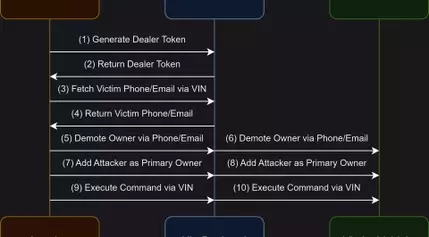
The discovery of the Kia vulnerability was a testament to the ingenuity and diligence of security researchers. By meticulously examining the car manufacturer's HTTP-based APIs, a security expert was able to uncover a series of steps that allowed an attacker to gain unauthorized access to a vehicle's critical systems. This included obtaining the vehicle identification number (VIN) from the license plate, registering as the car's owner on Kia's network, and subsequently gaining control over various functions, such as locking/unlocking the doors, honking the horn, and even starting and stopping the engine.
The Scope of the Vulnerability: Widespread Impact
The vulnerability was found to affect all Kia cars manufactured after 2013, leaving a vast number of vehicles and their owners vulnerable to such attacks. The implications of this security flaw were far-reaching, as it could have enabled a determined attacker to identify a parked car, gain access, and even drive the vehicle away without the owner's knowledge or consent. The ability to remotely control a car's functions, from locking the doors to starting the engine, posed a significant threat to the safety and security of Kia owners.
The Aftermath: Patching and Awareness
Fortunately, Kia was quick to respond to the vulnerability, issuing a patch to address the security flaw. However, the discovery of this issue serves as a stark reminder of the need for car manufacturers to prioritize cybersecurity in the design and development of their vehicles. As the world becomes increasingly connected, the potential for such vulnerabilities to be exploited by malicious actors is only expected to grow, underscoring the importance of proactive measures to protect consumers.
The Broader Implications: The Evolving Landscape of Automotive Cybersecurity
The Kia vulnerability is not an isolated incident, but rather part of a broader trend of security issues being uncovered in the automotive industry. As cars become more technologically advanced, with features like remote access, over-the-air updates, and integrated infotainment systems, the attack surface for potential hackers has expanded significantly. This has led to a growing concern among security experts and consumers alike, as the consequences of a successful attack could be catastrophic, ranging from financial loss to physical harm.
The Call for Heightened Vigilance: Safeguarding the Future of Automotive Cybersecurity
The discovery of the Kia vulnerability serves as a wake-up call for car manufacturers, urging them to take a more proactive and comprehensive approach to cybersecurity. This includes implementing robust security measures, conducting regular security audits, and collaborating with security researchers to identify and address vulnerabilities before they can be exploited. Additionally, consumers must also be educated on the importance of cybersecurity in the automotive realm, empowering them to make informed decisions and take necessary precautions to protect themselves and their vehicles.As the world continues to embrace the convenience and connectivity offered by modern vehicles, the need to prioritize cybersecurity has never been more pressing. The Kia vulnerability serves as a cautionary tale, reminding us that the safety and security of our cars are inextricably linked to the strength of their digital defenses. By addressing these issues head-on, car manufacturers and consumers can work together to build a future where the promise of connected cars is realized without compromising the safety and privacy of those who rely on them.