Q&A: How to retire financially comfortably and regret-free
2025-11-16
9.3K
185
31
The Holistic Approach to a Happy, Successful, and Wealthy Retirement
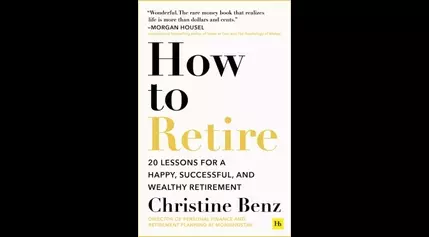
Christine Benz, the director of personal finance and retirement planning for Morningstar, has penned a new book "How to Retire: 20 Lessons for a Happy, Successful, and Wealthy Retirement." Benz's personal experience with her parents' cognitive decline and the subsequent caregiving responsibilities led her to delve deeper into the diverse aspects of retirement planning. The book features insights from 20 retirement experts, covering everything from tax planning and Social Security to spending changes and living a regret-free life.
Unlock the Secrets to a Fulfilling Retirement
Retirement as a Multifaceted Journey
Benz's firsthand experience with her parents' retirement journey has provided her with a unique perspective on the various phases and considerations involved in this life transition. From their active travel-filled early years to the later stages marked by cognitive decline and the need for in-home care, Benz has witnessed the evolving nature of retirement. This understanding has led her to emphasize the importance of planning for all these phases, encompassing the financial, social, and healthcare aspects.
The Value of Relationships and Purpose
One of the key takeaways Benz wants to impart to her readers is the significance of maintaining meaningful relationships and finding a sense of purpose in retirement. Drawing insights from experts like Laura Carstensen, professor of psychology at Stanford University, Benz highlights how our social networks can naturally narrow as we age, making it crucial to be intentional about nurturing relationships. Additionally, the conversation with Michael Finke, a professor of wealth management, underscores the value of balance, where engaging in purposeful activities can enhance the enjoyment of relaxation.
Navigating the Financial Landscape
While the financial aspects of retirement planning are undoubtedly important, Benz cautions against solely focusing on the numbers. She advocates for a more holistic approach that considers an individual's unique "retirement income personality." Guided by the work of Wade Pfau, a professor of retirement income, Benz emphasizes the need to align one's financial plan with their preferences, be it a consistent paycheck or a willingness to embrace some variability in their income.
Overcoming the Hurdle of Spending
One of the significant challenges Benz has observed in her interactions with retirees and pre-retirees is the difficulty in transitioning from a mindset of disciplined saving to that of comfortable spending. Benz acknowledges that this mental shift can be daunting, as individuals may have long identified with being prudent savers. However, she underscores the importance of seizing the opportunities presented in the early retirement years, when one's health and energy levels are typically higher. Benz advocates for a balanced approach that encourages retirees to enjoy the fruits of their labor while also maintaining financial responsibility.
The Importance of a Holistic Perspective
Benz's overarching message is that retirement planning should not be viewed solely as a financial exercise, but rather as a multifaceted journey that encompasses various aspects of one's well-being. By considering factors such as relationships, purpose, and quality of life, individuals can develop a more comprehensive and fulfilling retirement plan. Benz's book aims to empower readers to step away from the traditional spreadsheet-driven approach and embrace a more holistic understanding of what it means to achieve a happy, successful, and wealthy retirement.