The Riverboat Captain's Legacy: Navigating the Mighty Mississippi
2025-11-16
49.9K
5K
1.1K
The riverboat captain is a storyteller, and Captain Don Sanders will be sharing the stories of his long association with the river — from discovery to a way of love and life. This a part of a long and continuing story. It first appeared in 2020.
Uncovering the Captivating Connections Between a Country Music Icon and the Mighty Mississippi
Crossing Paths with a Musical Legend
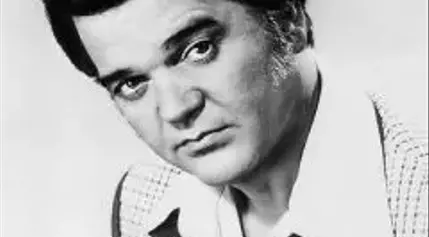
The tarmac at the Jackson, Mississippi Airport was the unlikely setting where the celebrated American country and pop music star, Conway Twitty, found himself in an uncharacteristically nervous state. Twitty, known for his commanding stage presence, stood apart from the small group of fellow travelers, eyeing them suspiciously. As the group waited to board a flight to Memphis, where Captain Don Sanders would catch a connection to the Upper Mississippi River, the country music icon's apprehension was palpable. "What's he think we're going to do?" someone wondered, "Jump his bones?" But the others were preoccupied with their own obligations, paying little attention to the famous musician.
Discovering the Riverboat Legacy
It wasn't until years later that Captain Sanders would uncover the connection between Twitty and the river. While sharing photographs of the iconic sidewheel, steam-powered ferryboat PELICAN on a social media page he helps administer, a revelation emerged. The PELICAN, which had once transferred railroad cars across the Mississippi River at Helena, Arkansas, may have been captained by none other than Twitty's father, Floyd Dalton Jenkins.As a young deckhand on the excursion steamboat AVALON in the summer of 1960, Captain Sanders had been captivated by the sight, sounds, and smells of the coal-burning, fire-breathing, steam-spitting PELICAN. If only he had known then what he knows now, he might have asked the country music star about his father's connection to the awe-inspiring vessel.
The Mighty PELICAN and Its Storied Past
The PELICAN, a 306-foot-long by 88-and-a-half-foot-wide sidewheeler, began construction in 1901 at the Iowa Iron Works in Dubuque, shortly after the launch of the mighty SPRAGUE, the largest steam towboat ever built. This was a significant year in the history of the ironworks, which had also fabricated the namesake of Captain Sanders' boat, the original Rafter CLYDE, the first iron-hulled steamboat on the Western Rivers, over 30 years earlier.Captain Sanders and his colleague, Captain Clarke C. "Doc" Hawley, had the opportunity to explore the PELICAN during one of their visits to Helena. They walked the main deck, peeked into the engine room, but never made it to the pilothouse, where Captain Jenkins may have patiently waited for the fires beneath the boilers to set the safety valves a' dancing.The sight of the PELICAN's massive, uncovered, elliptically-shaped, wooden paddlewheels thrashing the water and the banshee-like screams of the escaping engine exhaust from the Hopkins Patient steam engines roaring like a thousand tyrannosaurs left a lasting impression on the young deckhand. It was a glimpse into the glorious era of steamboating that would captivate Captain Sanders for the rest of his life.
The Passing of a Steamboat Era
During Captain Sanders' time in Helena, he also witnessed the charred remains of the small, steam, sternwheel automobile ferry, the A.C. JAYNES, which had burned just a few months prior. The JAYNES, built in 1925, had operated at Cape Girardeau, Missouri, and Greenville, Mississippi, until bridges replaced the ferries at those locations. Overhead, the nearly-completed Helena Highway Bridge loomed, a symbol of the changing times.When Captain Sanders returned to Helena a decade later, aboard the overnight tourist boat DELTA QUEEN, the once-glorious PELICAN had been reduced to a conventional deck barge, towed by a tiny, insignificant, diesel push boat. A memorable era in steamboat history had passed, and the PELICAN, a testament to the river's past, now lay in a state of diminished grandeur.
The Enduring Legacy of a Steamboat Captain
As Captain Sanders delved deeper into the life of Conway Twitty, he discovered the country music icon's deep connection to the river through his grandfather, Captain Floyd Dalton Jenkins. In an interview, Twitty's son, Michael, recalled his father's extended absences, saying, "Dad was constantly on the road. I didn't see him a lot growing up. It's what he was. It's what he was born to be."The same sentiment could be applied to riverboat crew members, Captain Sanders reflected, as he remembered his own time away from his growing sons while working on the boats. Michael Twitty also shared, "But don't feel sorry for me. Growing up, I had three dads — not one. Papaw (Captain Floyd Dalton Jenkins), my granddad, he was a Steamboat Captain on the mighty Mississippi. My uncle Howard was also there for me. And Conway, my natural dad."This discovery of the deep-rooted connection between the Twitty family and the river, through the legacy of Captain Floyd Dalton Jenkins, has added a new layer of appreciation for the life and work of the beloved country music star. As Michael and his son, Tre Twitty, continue to perpetuate the Twitty family's river heritage, they ensure that the stories and memories of the mighty Mississippi will live on for generations to come.