President-Elect's Legal Battle Reaches Supreme Court
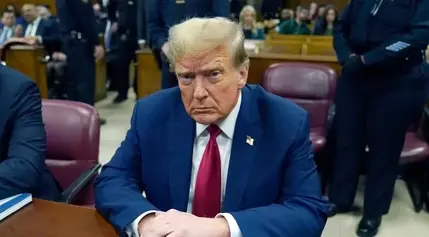
The incoming leader of the United States faces an urgent legal challenge as his attempt to delay sentencing for a criminal conviction has been rejected by New York’s highest court. With just days before assuming office, the president-elect is now appealing to the Supreme Court to prevent a scheduled sentencing hearing. The case stems from falsified business records related to payments made to an adult film actress prior to the 2016 election. Despite maintaining his innocence and accusing opponents of a political vendetta, the president-elect was found guilty on multiple counts. His legal team argues that presidential immunity should have shielded him from prosecution, while prosecutors insist there is no basis for intervention.
Judicial Setbacks Pave Way for Supreme Court Appeal
The president-elect's efforts to postpone his sentencing have encountered significant obstacles. After being convicted on several charges related to financial document alterations, his legal team sought relief from New York’s highest court. However, this request was swiftly denied, leaving the Supreme Court as the final avenue for appeal. The timing is critical, with only a short window remaining before he assumes the presidency. The rejection by the New York appeals court underscores the urgency of the situation, highlighting the complexity of navigating legal processes during a transition of power.
In response to the denial, the president-elect's legal representatives are now turning their attention to the nation's highest judicial body. They argue that the sentencing could disrupt governmental operations and harm the institution of the presidency. The legal team contends that previous rulings granting broad immunity to presidents should have prevented certain evidence from being used in the case. This appeal seeks not only to delay but potentially overturn the conviction, emphasizing the unprecedented nature of a president-elect facing criminal proceedings so close to inauguration.
Conviction Details and Legal Arguments
The charges against the president-elect relate to actions taken during the 2016 election cycle. He was found guilty of altering business records connected to payments made to a performer in the adult entertainment industry. Prosecutors alleged these payments were intended to suppress politically sensitive information. Despite winning the presidency, the president-elect has consistently denied any wrongdoing and claims the case is part of a broader political persecution. The conviction marks a historic first for a U.S. president, adding a layer of complexity to the upcoming transition of power.
The legal arguments presented by both sides reflect deep divisions over the interpretation of presidential immunity and the limits of state-level prosecutions. Prosecutors maintain that the evidence presented was valid and necessary to establish guilt, rejecting claims that it should have been excluded. Meanwhile, the president-elect's defense team argues that the conviction undermines the integrity of the presidency and calls for immediate intervention to prevent what they see as an injustice. The outcome of this appeal will have far-reaching implications for the balance between executive authority and the rule of law.