Groundbreaking Wind Farm Project in Egypt Reaches Financial Milestone
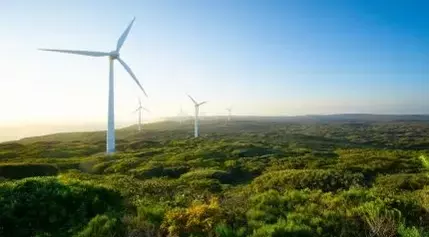
The Suez wind farm, a significant renewable energy initiative in Egypt's Gulf of Suez region, has achieved financial closure. This 1.1 gigawatt (GW) project, developed by ACWA Power in collaboration with HAU Energy, is set to become fully operational by the second quarter of 2027. The financial package for this ambitious venture includes a substantial senior debt facility from various international banks and institutions. This milestone underscores Egypt's commitment to expanding its renewable energy sector and achieving decarbonization goals.
The wind farm will be constructed in two phases, each contributing 550 megawatts (MW), totaling 138 turbines. With a total investment of .2 billion, the project aims to support Egypt's target of increasing renewable energy to 42% of its electricity mix by 2040. ACWA Power holds a majority stake in the project, while HAU Energy owns the remaining portion. The project's success highlights the confidence investors have in Egypt's renewable energy market and its potential for economic growth and technological advancement.
Achieving Financial Closure: A Major Step Forward
This section delves into the financial aspects and the significance of reaching financial closure for the Suez wind farm. The project has secured a robust financial backing from an array of international entities, signaling strong investor confidence. This achievement marks a pivotal moment in Egypt's journey towards sustainable development and clean energy production. The European Bank for Reconstruction and Development led the financing effort, supported by several other prominent financial institutions. The successful financial closure not only validates the project's viability but also sets a precedent for future renewable energy initiatives in the region.
The financial package includes a 3.6 million senior debt facility provided by a consortium of leading international banks and financial institutions. This substantial funding ensures that the project can proceed without significant financial hurdles. ACWA Power's CEO Marco Arcelli emphasized the importance of this milestone, highlighting the collaborative effort and innovative financing strategies that made it possible. The wind farm project exemplifies how strategic partnerships and innovative financing can drive large-scale renewable energy projects forward. It also demonstrates the growing global interest in investing in sustainable and reliable power solutions, particularly in regions like Egypt that are committed to reducing carbon emissions and fostering economic growth through renewable energy.
Boosting Renewable Energy and Economic Growth
The Suez wind farm represents a significant step towards Egypt's goal of enhancing its renewable energy capacity. Located in the Gulf of Suez and Gabal El-Zeit area, this project is expected to contribute substantially to Egypt's energy diversification efforts. By adding 1.1 GW of clean energy to the national grid, the wind farm will help reduce reliance on fossil fuels and promote environmental sustainability. Moreover, the project is anticipated to create numerous job opportunities and stimulate local economic activities, thereby supporting broader socioeconomic objectives.
Developed in two phases, each phase will generate 550 MW of power using a total of 138 turbines. The phased approach allows for efficient project management and timely completion. Thomas Brostrom, ACWA Power's Chief Investment Officer, highlighted the strategic importance of the Suez wind farm, noting that it showcases the company's proactive approach to identifying and developing world-class renewable energy projects. The project not only contributes to Egypt's decarbonization goals but also serves as a catalyst for economic growth, job creation, and technological advancement in the region. With full commercial operations scheduled for the second quarter of 2027, the Suez wind farm promises to play a crucial role in shaping Egypt's renewable energy landscape and achieving its long-term sustainability targets.