Washington State Encourages Reducing Food Waste During Holidays
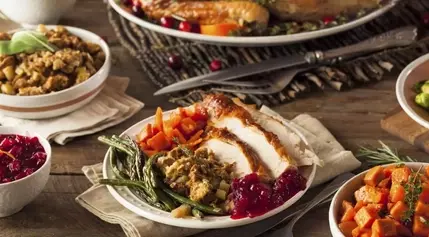
Reduce Food Waste and Enjoy a Greener Holiday Season
Assign Meal Planning Responsibilities
Providing those bringing food with an accurate list of guests is crucial. This ensures that food is not overprepared, reducing the amount of waste. By having a clear understanding of the number of guests, we can plan the menu more effectively and avoid having excess food that will end up in the trash.
For example, if we know there will be 10 guests, we can plan a menu that includes enough food for everyone without having too much left over. This simple step can make a big difference in reducing food waste during the holidays.
Think Ahead about Food Storage
Providing a stack of food storage containers is another important step. Guests can take home leftovers, reducing the amount of food that goes to waste. Additionally, refrigerating leftovers within 2 hours extends their life and keeps them fresh.
Imagine having a delicious turkey dinner and having enough leftovers to make sandwiches or a casserole the next day. By storing the leftovers properly, we can enjoy them for longer and reduce food waste. It's a win-win situation for both the environment and our wallets.
Use Food Well Webpage - Shopping Smart and Making Leftovers Last
The Use Food Well webpage offers valuable ideas on how to shop smarter with detailed planning. By planning our grocery list in advance and buying only what we need, we can avoid buying too much food and ending up with waste.
It also provides recipes on how to make new dishes with leftovers. For instance, we can turn leftover roast into a delicious hash or use leftover stuffing to make a bread pudding. These creative uses of leftovers not only reduce waste but also add variety to our meals.
Furthermore, the webpage offers tips on how to make leftovers last longer. We can store them in airtight containers and label them with the date to keep track of their freshness. By following these tips, we can extend the life of our leftovers and reduce food waste.