Will the FDA Soon Ban Red No. 3: A Food Dye Controversy
2025-11-17
16.7K
1.7K
649
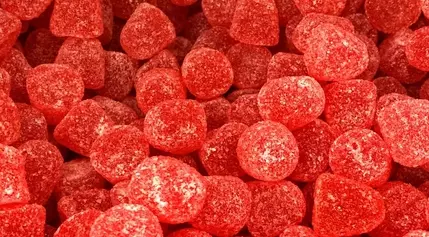
Red dye 3, a petroleum-based color additive, has been a staple in the food and beverage industry for decades. It imparts bright and flashy colors to various products, from candies to sodas. However, recent developments have raised concerns about its safety.
FDA's Consideration of a Ban
The Food and Drug Administration is currently weighing the option of banning food dye Red No. 3. Since 2022, the agency has been reviewing a petition to ban this colorant. Red No. 3 has been used in thousands of products for over 50 years, but research has shown potential health effects. In 1990, it was banned from cosmetics and medicated ointments due to its cancer-causing potential in high doses. Yet, the FDA concluded it was safe in food amounts. An FDA spokesperson indicates a decision could be forthcoming soon. 1: The concern about Red No. 3 in food has grown in recent years. Last year, California passed a law to ban the dye, set to take effect in 2027. Additionally, ten other states have introduced legislation to do the same. These state actions are putting pressure on the FDA to make a decision. As the FDA spokesperson told NPR, there have been an increasing number of state bills to ban certain additives and set limits for contaminants. But a strong national food safety system requires a unified approach. 2: California's Environmental Protection Agency's review of synthetic dyes found evidence that they can negatively affect children's behavior. Out of about 25 studies, more than half showed an association. Mark Miller, a scientist with the agency, believes the evidence is compelling. The FDA has said it will continue to examine the effects of color additives on children's behavior. The totality of scientific evidence shows that most children have no adverse effects, but some may be sensitive.
Health Concerns and International Bans
Questions about Red No. 3's potential health effects date back decades. The dye's use in cosmetics and medicated products was banned due to cancer risks. In food, the FDA has evaluated its safety multiple times since 1969. However, the Center for Science in the Public Interest argues there is no reason to add synthetic dyes to food. Thomas Galligan, the principal scientist at CSPI, points out that Red No. 3 is banned or restricted in many countries like Australia, Japan, and EU countries. His group has been urging the FDA to ban eight synthetic food dyes since 2008. Red No. 3 has been singled out due to the animal cancer evidence. Galligan believes it is an easy decision for the FDA to make. 1: California's recent ban on a group of six synthetic dyes in school meals shows the growing push for safer food options. The National Confectioners Association maintains that its products are made with FDA-approved ingredients and are committed to food safety. The food industry has shown it can adapt by replacing synthetic dyes with colors from spices like paprika and turmeric. 2: As the debate continues, it is clear that the safety of food dyes like Red No. 3 is a complex issue. The FDA must carefully consider all the scientific evidence and make a decision that protects public health. Consumers also need to be informed about the potential risks and alternatives.